CONCEPT · 2026
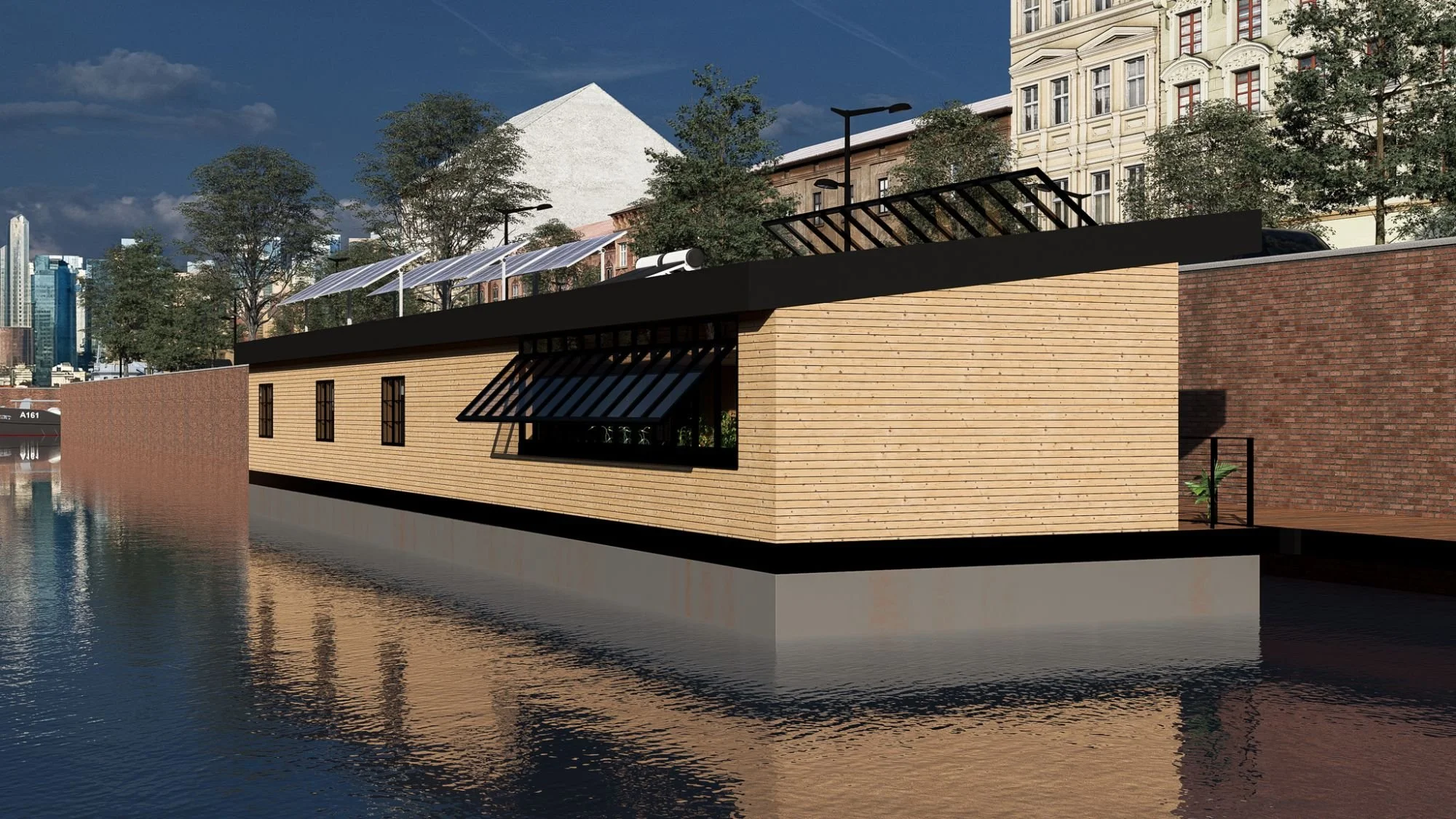
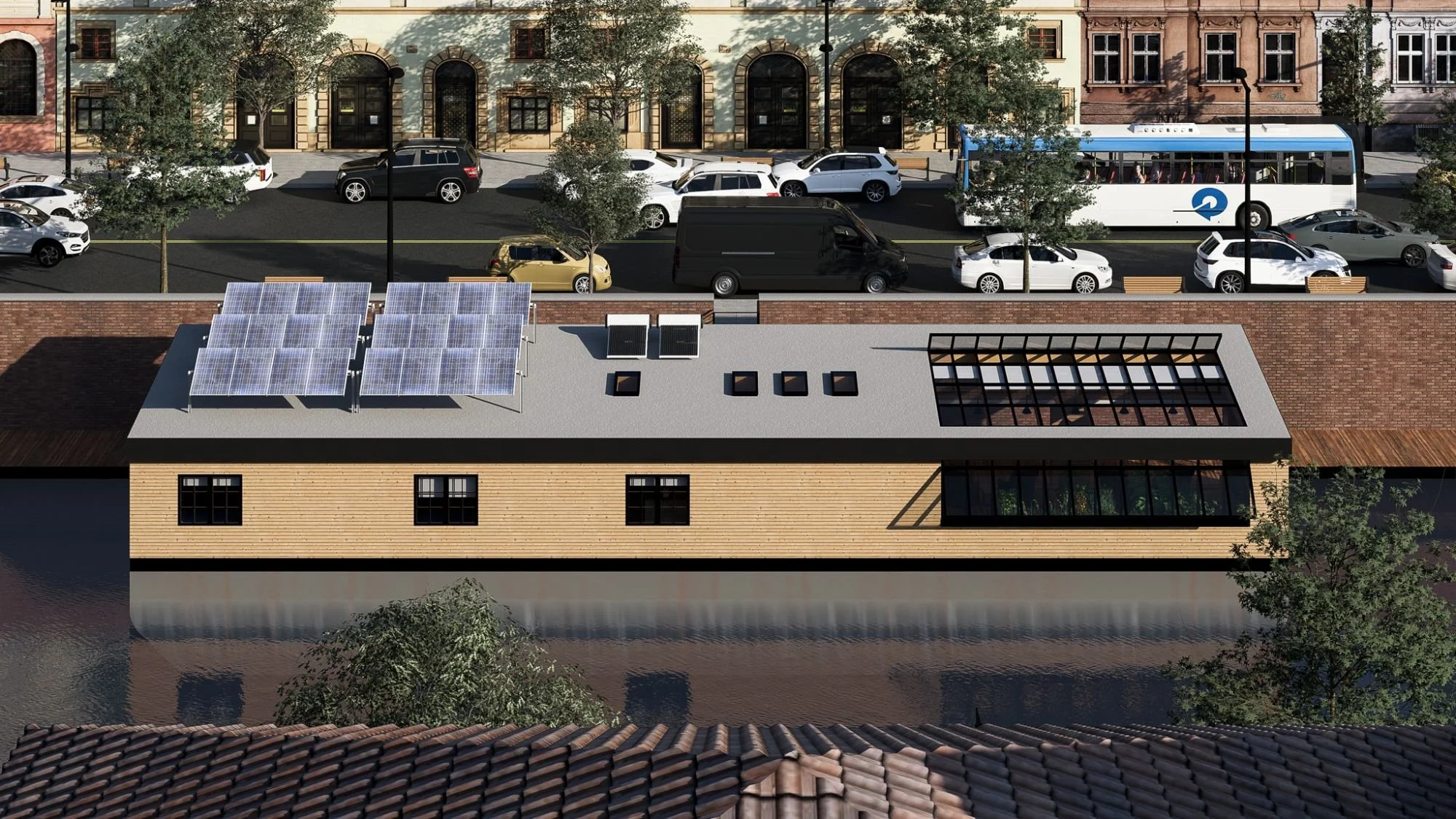
An off-grid home on an upcycled steel barge, with a greenhouse at one end.
The idea
Land keeps getting more expensive. But our cities are full of waterways, and old steel barges can sell for around $80,000.
So I turned one into a home. It is inspired by Swale, Mary Mattingly’s floating food forest in New York City, and by the houseboats of Amsterdam.
How it works
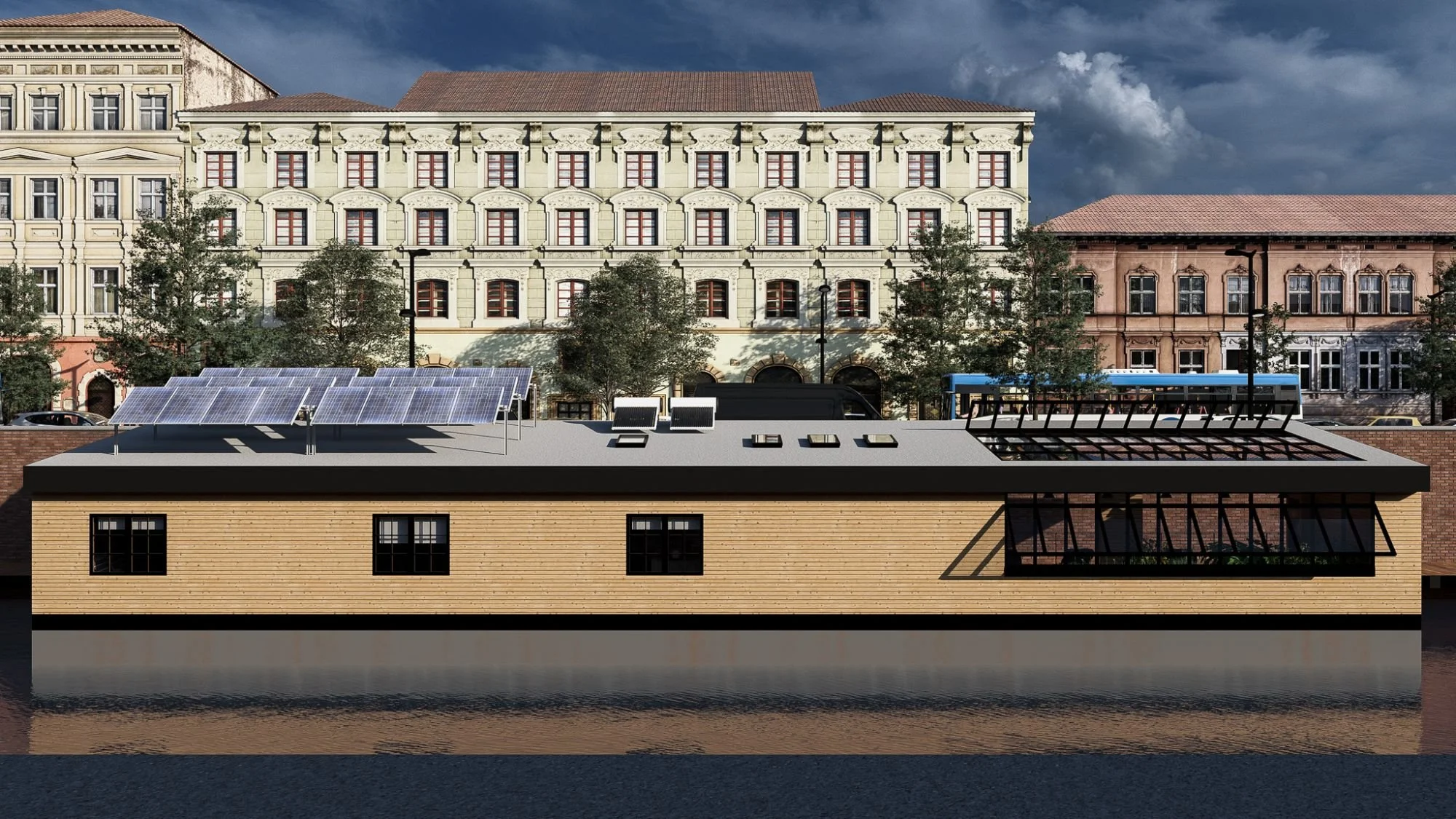
The barge is split 60/40: 1,300 sq ft of living space and a 450 sq ft greenhouse. Solar panels and solar water heaters sit on the roof, with batteries in the steel hull. In winter, solar-heated floors keep it warm.
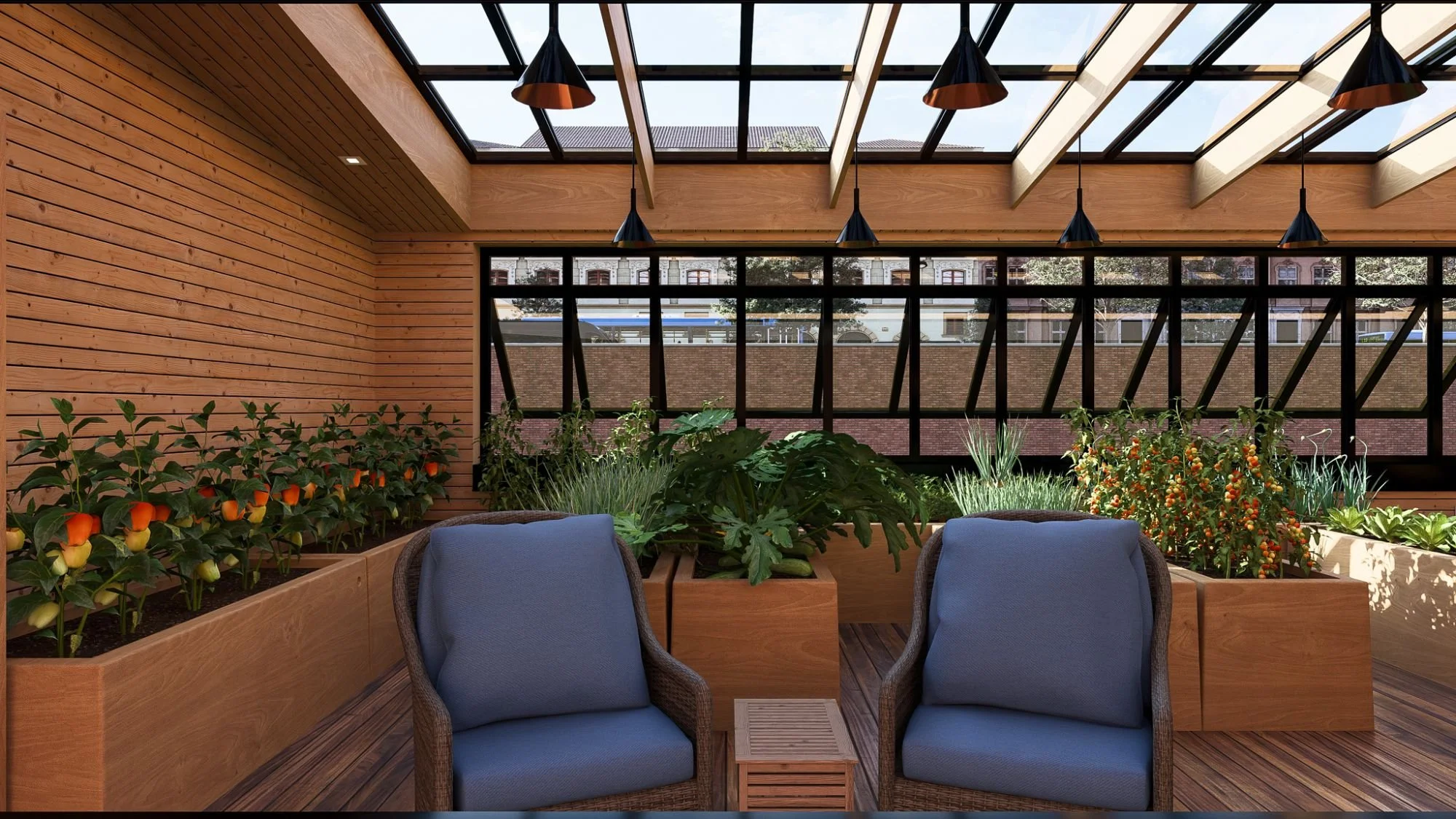
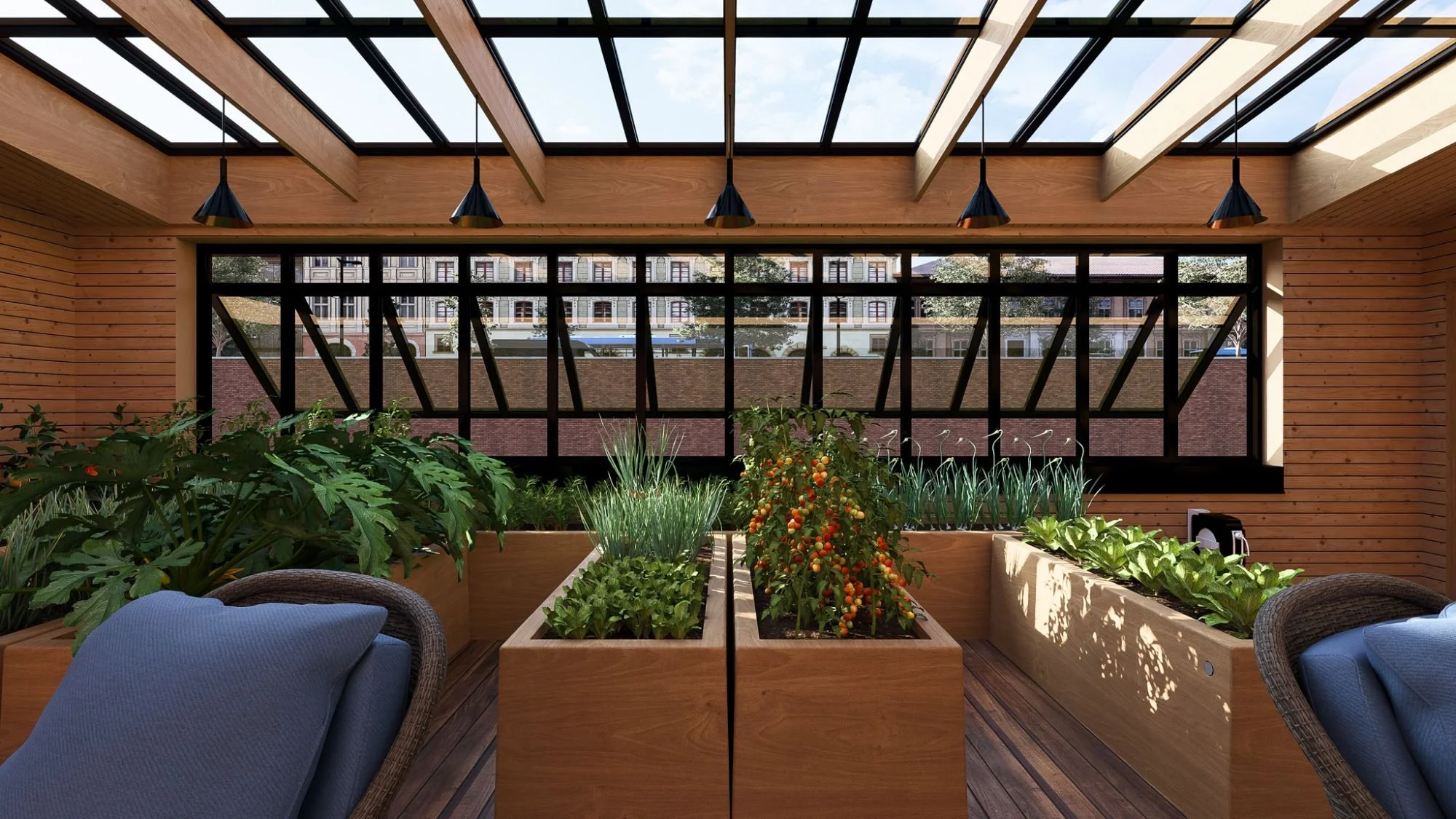
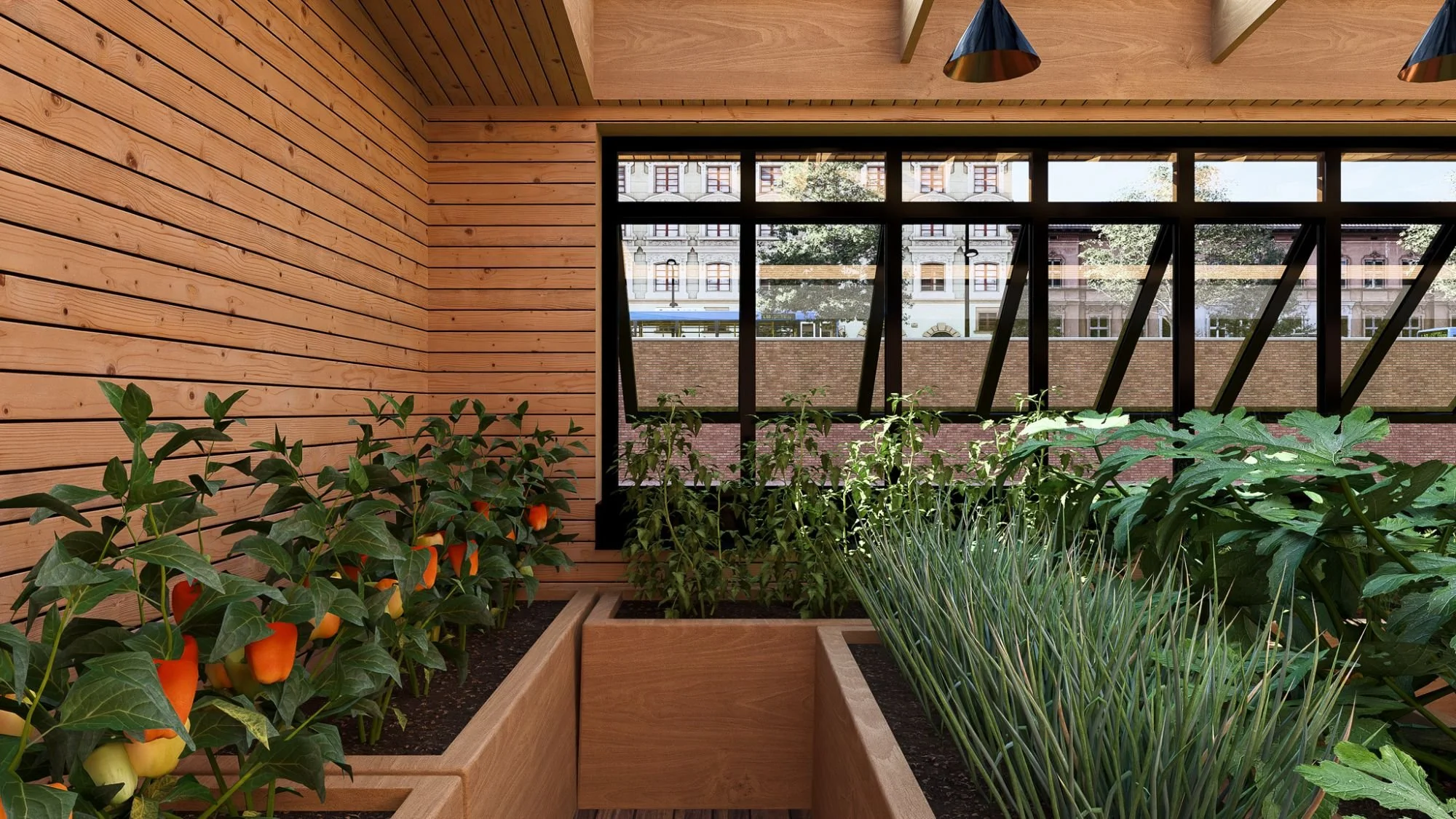
The greenhouse has a glass skylight with automatic ridge vents. Low windows pull in air cooled by the water, and hot air leaves through the top. Every material is water-resistant: wood siding, black aluminum trim and railings. A tugboat can move the whole home to a new dock.
Living in it
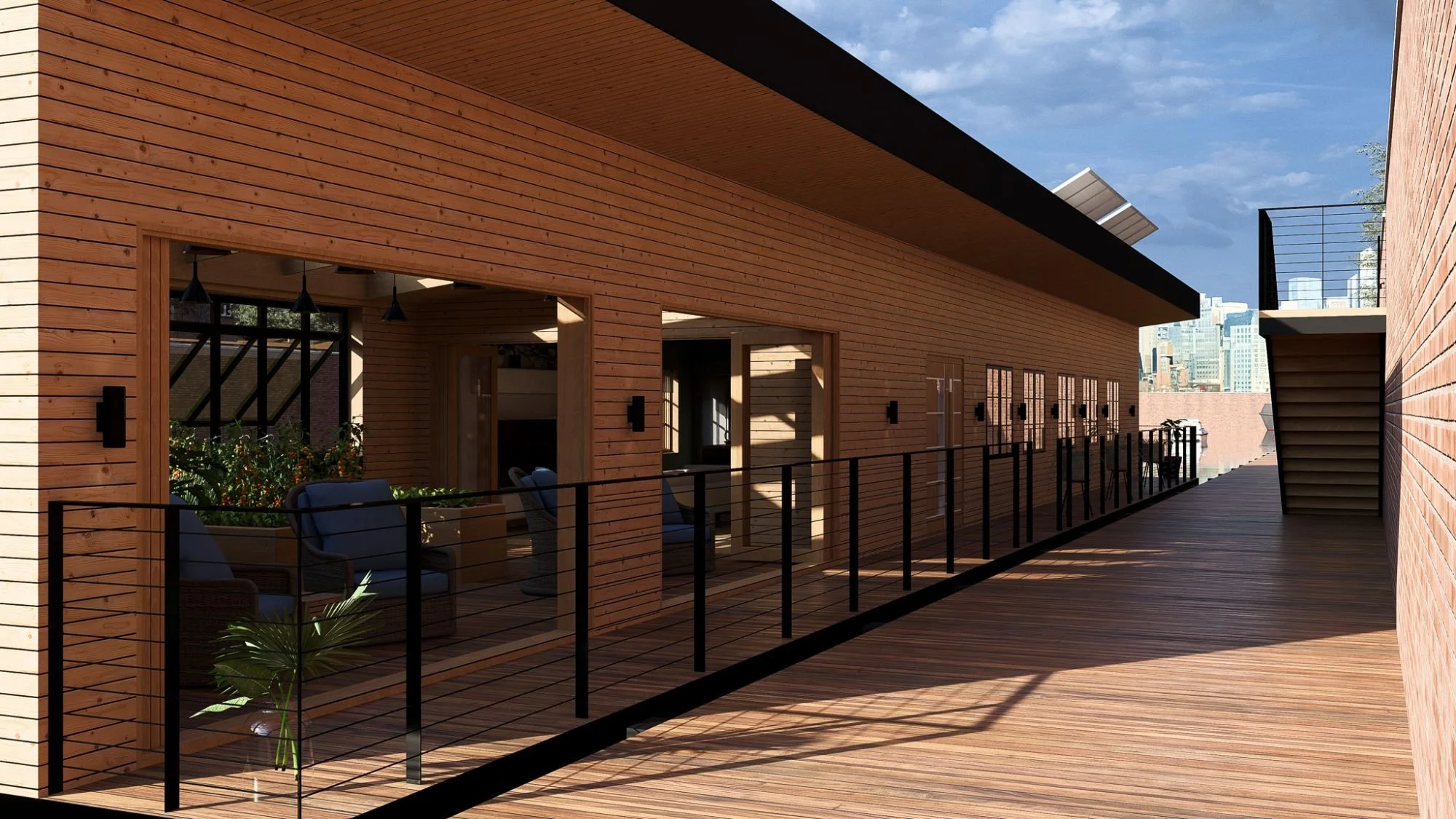
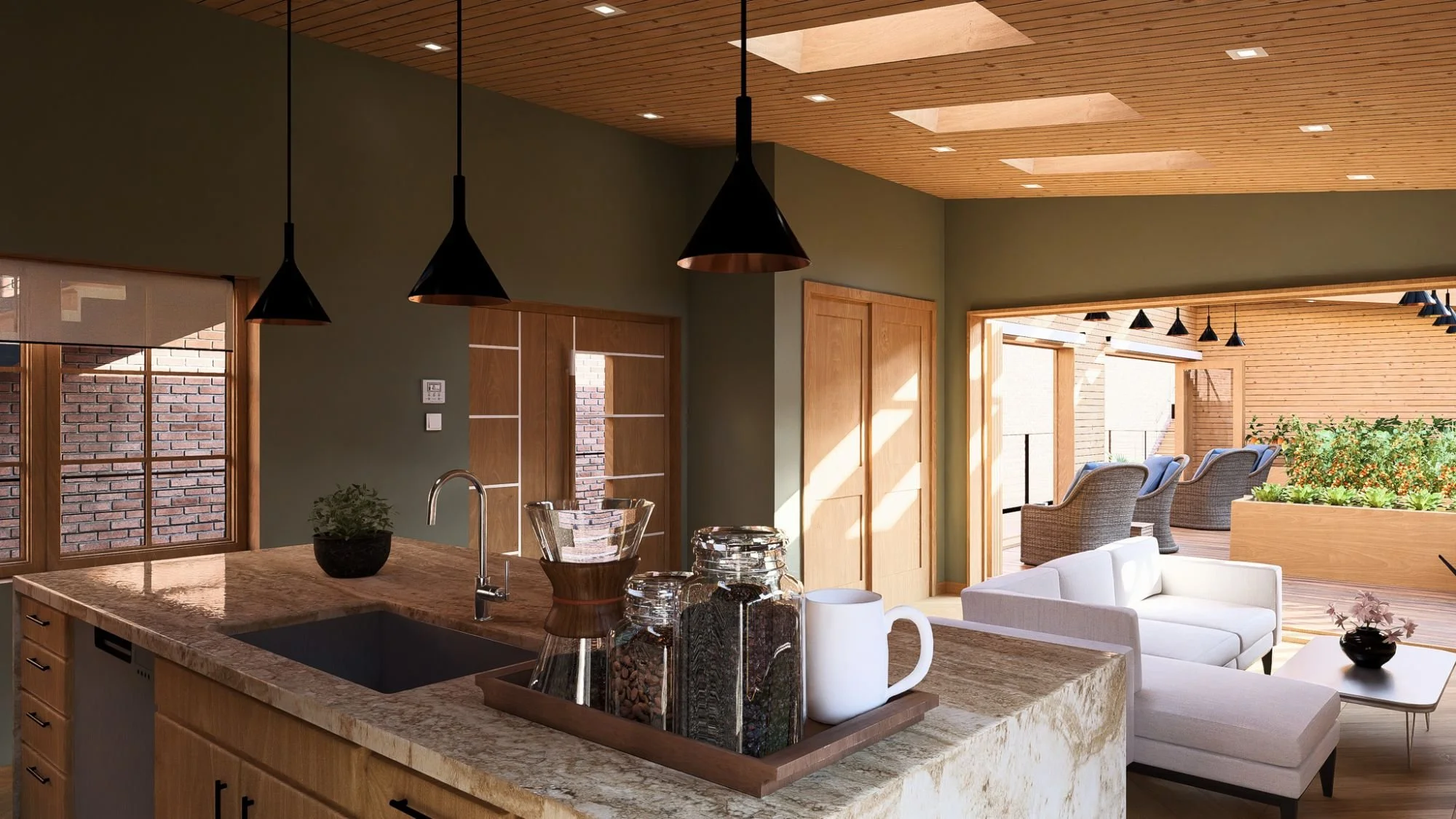
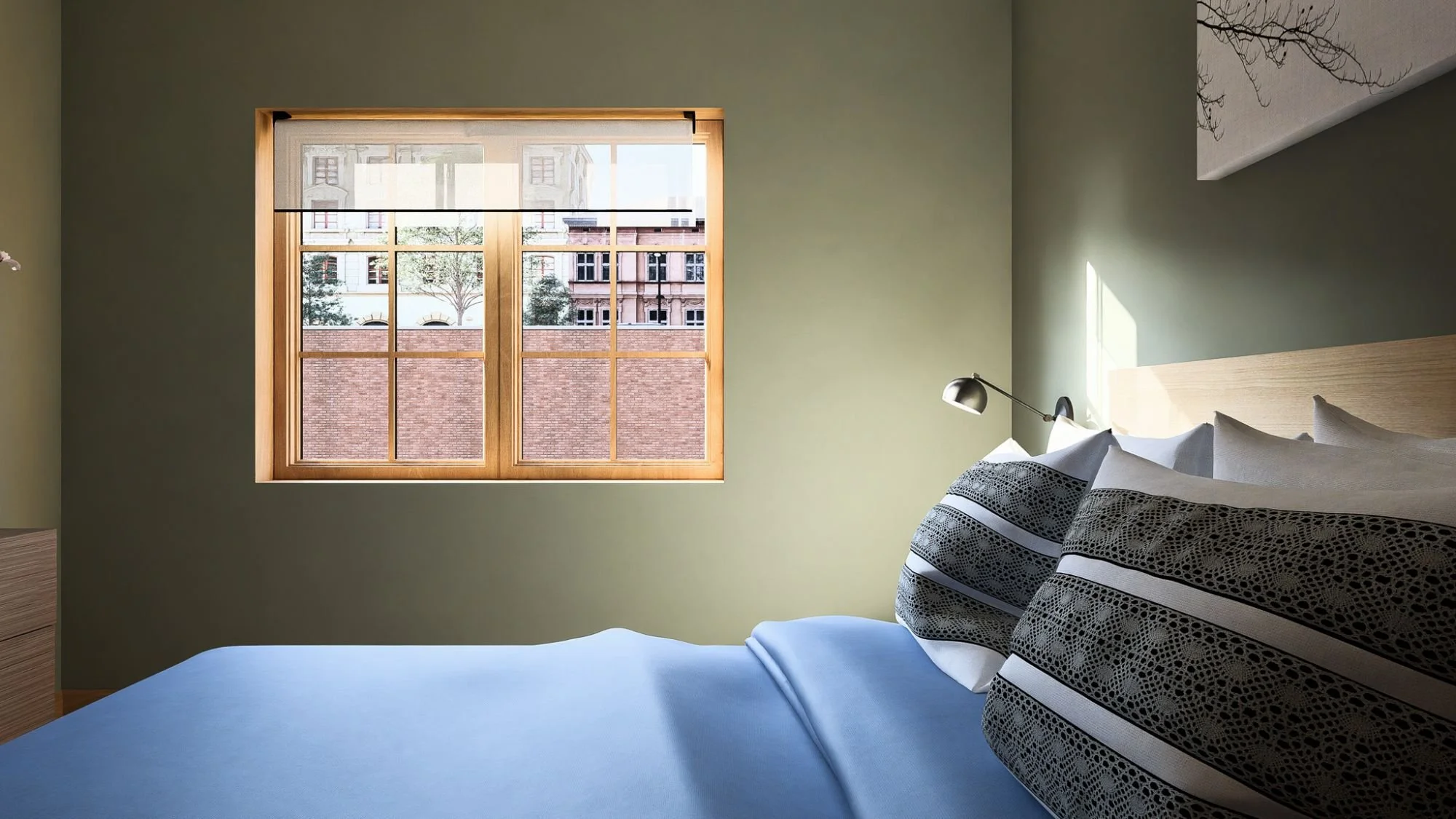
You walk down stairs from the street to a shared dock. Inside, an open kitchen with an oversized island is where you eat, next to a walk-in pantry and a living room. Two bedrooms sit at the far end, with one full bathroom.
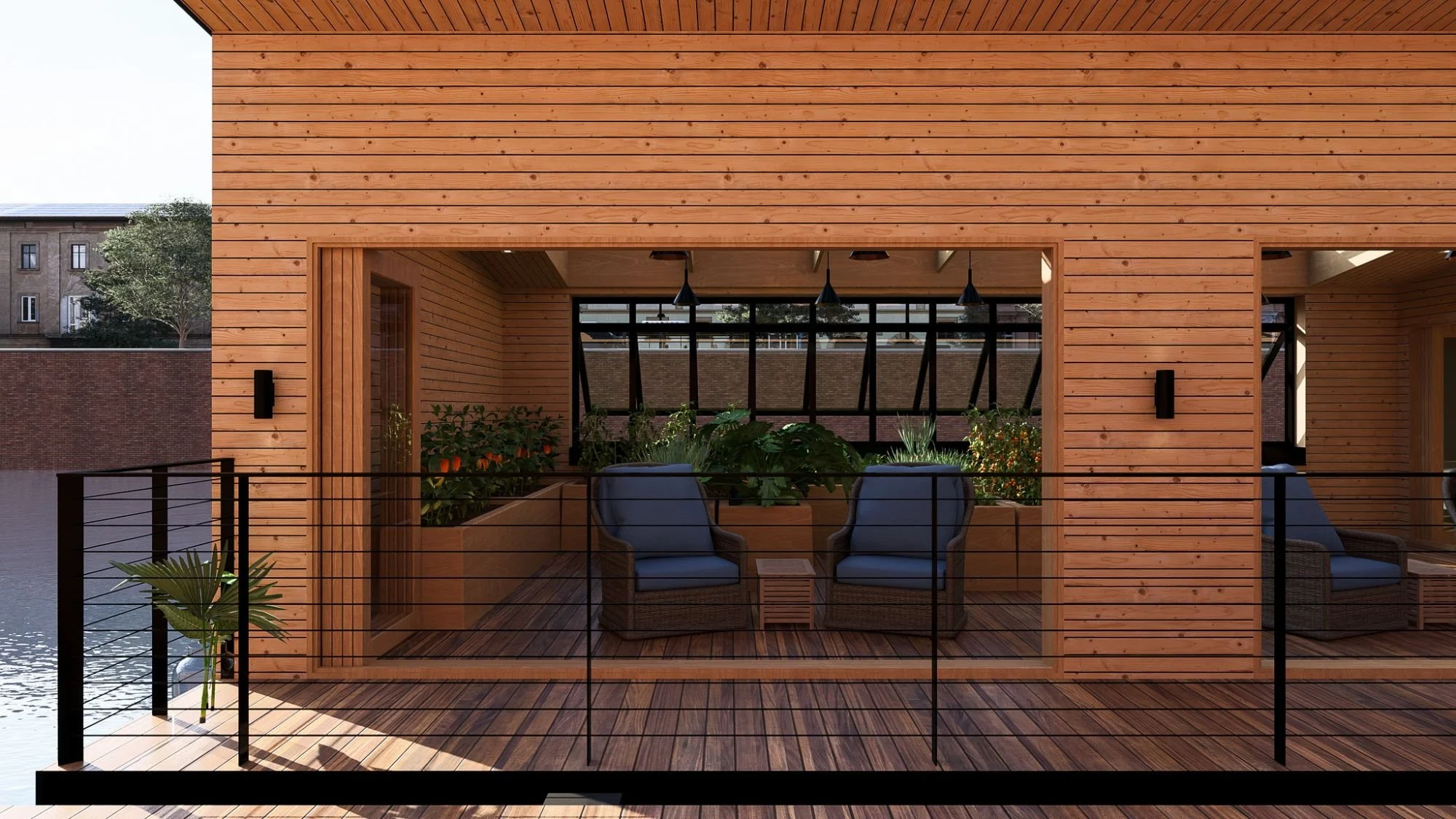
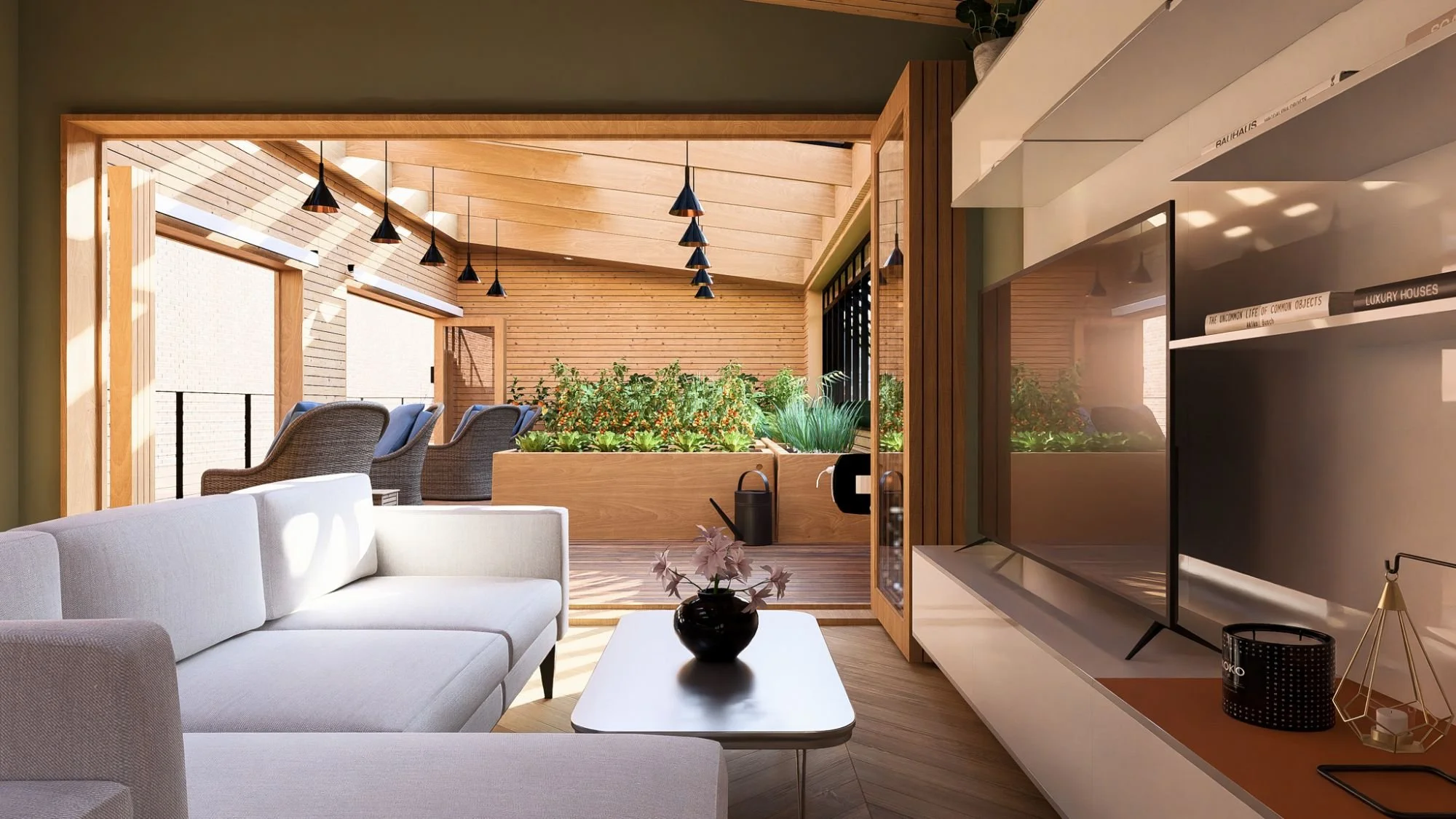
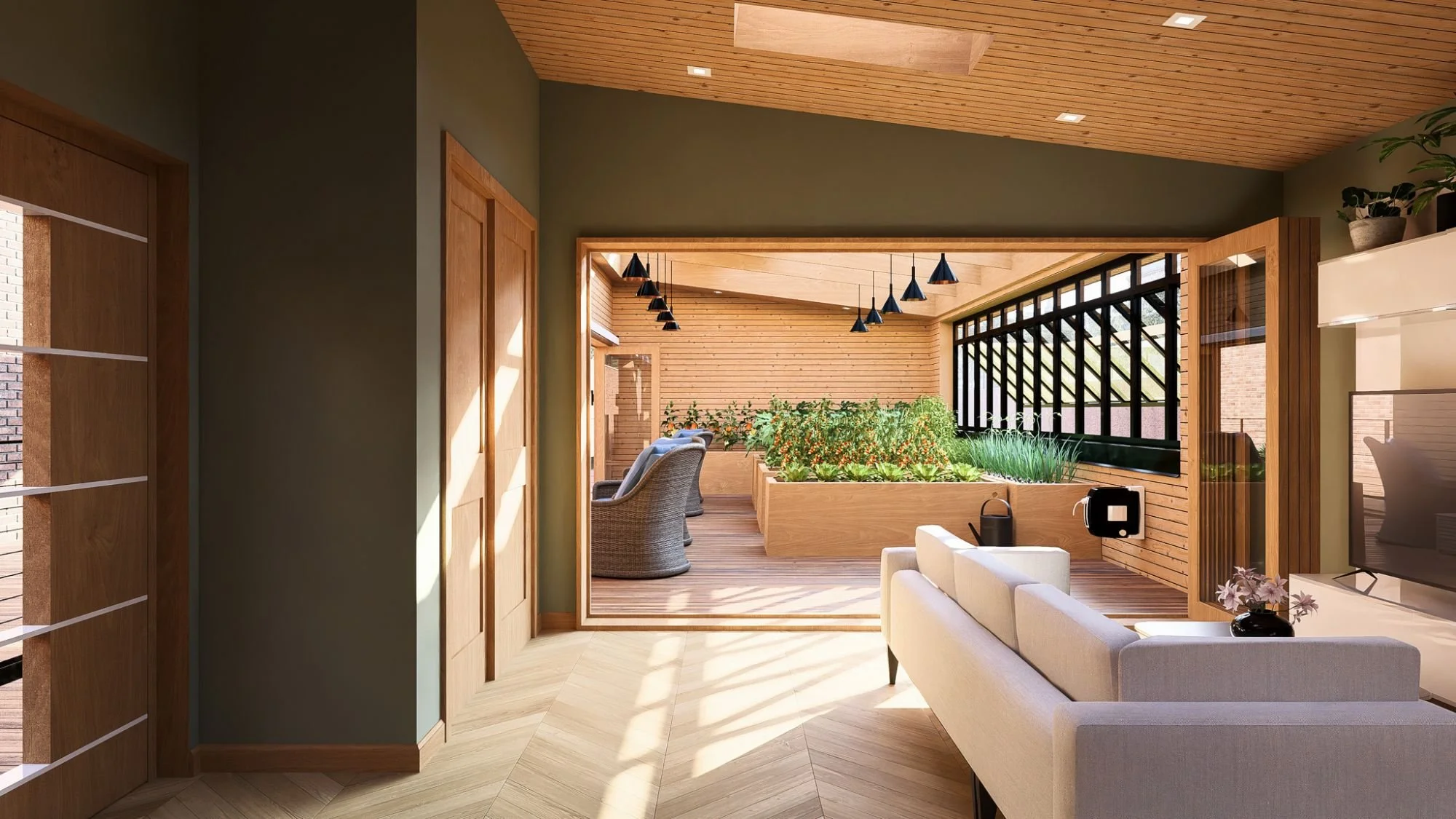
A sliding glass wall separates the living room from the greenhouse. Raised planters fill it, with a lounge by the doors to the deck.
Leave a comment on the YouTube video and let me know what you think. If your home could float, which city or waterway would you dock it in first? And would you live on the water full time?
Key strategies
Upcycled barge: a home on a steel hull.
Off-grid: solar power, solar hot water and batteries in the hull.
Radiant floors: solar-heated in winter.
Water-cooled air: low windows and ridge vents.
Nomadic: a tugboat can move it to a new dock.